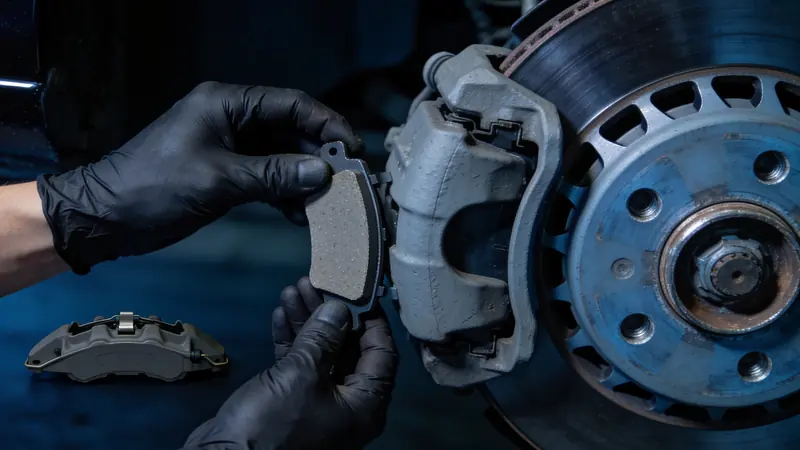
Illustration: a brake pad, caliper and rotor, wheel off
BRAKE REPAIR · SAUGUS, MA
V-Tech Auto Services does brake repair in Saugus, MA, for North Shore drivers with foreign and domestic cars. We check your pads, rotors and brake fluid, show you what's worn, and tell you what's urgent and what can wait before any work starts.
Open Monday–Friday, 8:00 AM–5:00 PM · Closed weekends
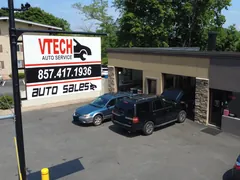 Our shop in SaugusReal photos, further down
Brakes almost always warn you before they fail. Here's what each warning usually means, most urgent first.
Is the check engine light on too? See check engine light diagnostics.

Grinding, or a pedal that sinks? Don't drive it. Call us.
Illustration: brake lights on a wet street
Three parts do most of the work, and they're what our team checks first:
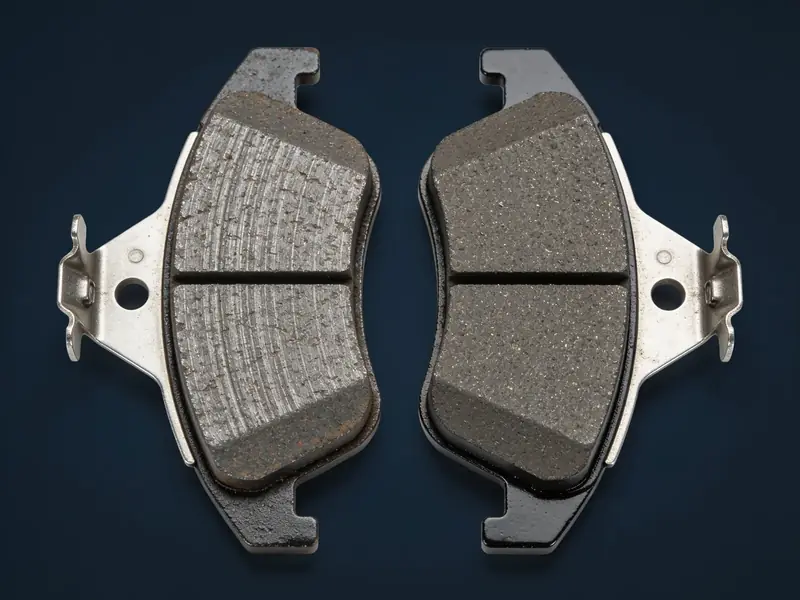 Illustration: worn and new padsBrake padsThe friction blocks that squeeze the rotor. They wear down a little every time you stop.
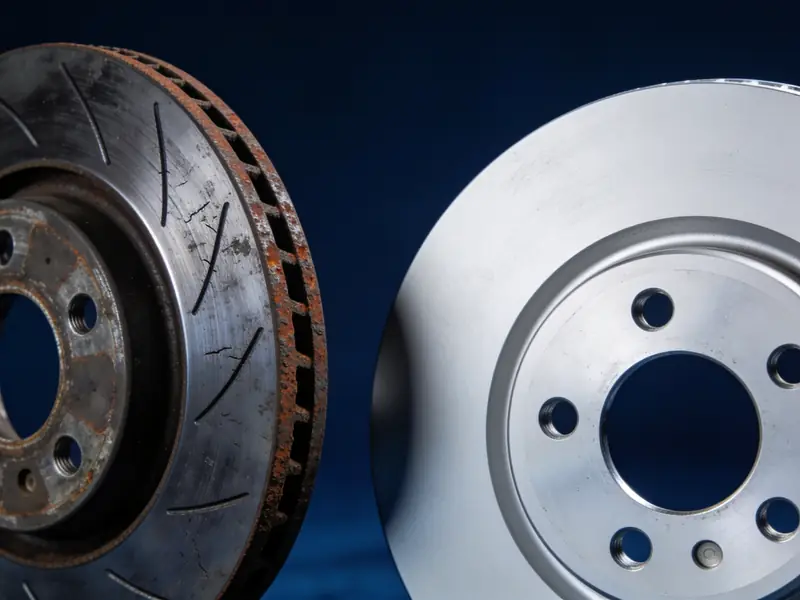 Illustration: worn and new rotorsRotorsThe metal discs behind your wheels that the pads squeeze. They can wear thin, wear unevenly, or get grooved when a worn-out pad scrapes them.
 Illustration: fresh and old fluidBrake fluidThe liquid that carries the push from your foot to the brake at each wheel. It slowly absorbs moisture from the air, and old or low fluid can make the pedal feel soft.
We look at how much pad is left, the surface and thickness of the rotors, and the level and condition of the fluid. Then we tell you what we found, in plain words.
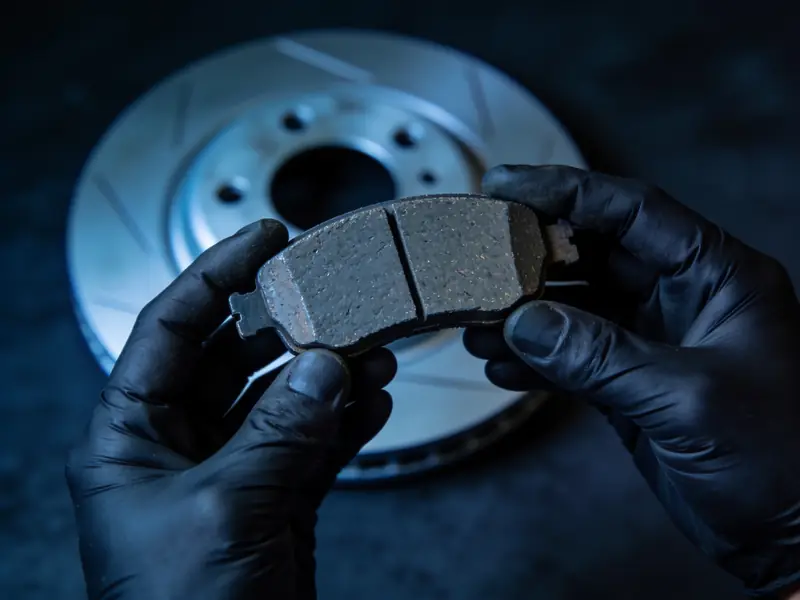
Brakes make people nervous for a simple reason: you can't see them. So we show you what we found, whether that's a thin pad, a grooved rotor or dark fluid, and walk you through three things:
Then you decide. If something can wait, you'll hear that too.
After the check, every finding lands in one of three groups.
Metal-on-metal grinding, a pedal that sinks, leaking fluid, or a brake that drags and runs hot. These affect how well the car stops, so we'll tell you plainly not to put them off.
Pads getting thin, rotors worn enough to shake the wheel, or old fluid. Not an emergency today, but worth booking. Waiting until thin pads start grinding is how a pad job becomes a pads-and-rotors job.
Pads with plenty of life left, a light squeak on a damp morning that fades after a few stops (usually surface rust on the rotors), or brake dust on the wheels. We'll note it and tell you what to watch for.
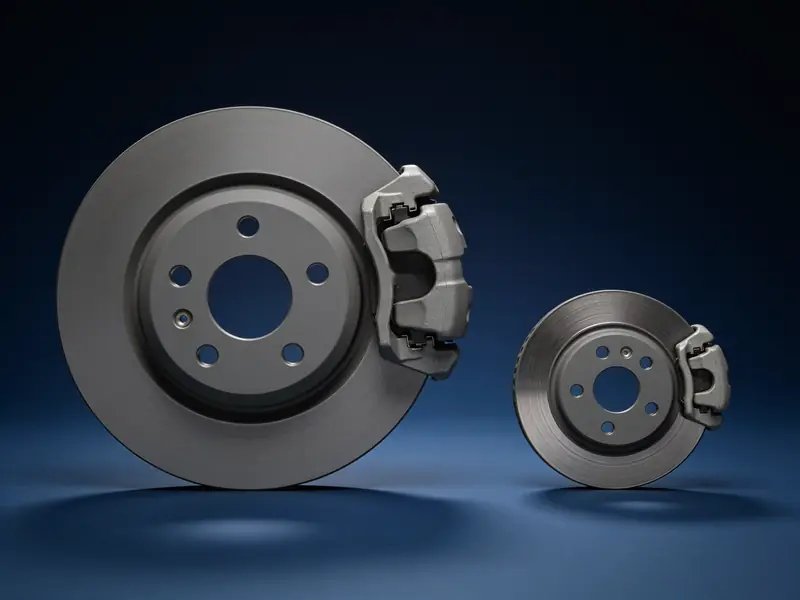
We don't post brake prices, because the real number depends on what we find. These are the things that move it:
Call and describe what you're hearing or feeling. Once we've looked at the car, you'll know what the job involves and what it costs before we pick up a tool.
… He showed me all the work he was going to complete and everything after he completed it. …
… I’ve had incredible experiences from check engine lights, brakes, tires and general repair. I highly recommend this business.
… Even though the new location isn't as convenient for me and I have to pass many other garages to get to him, it's worth the trip! Quality work, reasonable pricing, honest assessments...I can't ask for much more than that.
Watch for the signs above: squealing, grinding, a soft pedal, pulling, or shaking when you stop. But pads wear quietly for a long time before they make any noise, so the only sure way to know is to have someone look at them. A brake check shows you how much pad is left and what shape the rotors are in.
A squeal usually comes from the pad's built-in wear indicator, a small metal tab designed to make noise when the pad gets thin. It can also be light rust or dust, especially on a damp morning. Grinding is different: it often means the pad is worn through and metal is rubbing on the rotor. Squealing means book a check. Grinding means stop driving and call.
No. Grinding usually means metal on metal, so the car can take longer to stop, and every mile chews up the rotors a little more. If you have to move the car, drive gently and only as far as you must. If the pedal also feels soft or sinks, don't drive it. Call us.
There's no single number. It depends on your car, the pads, and how you drive: stop-and-go traffic on Route 1 wears pads sooner than steady highway driving, and the salt and slush of a North Shore winter are hard on every brake part. Your owner's manual may list when to have them checked. The easy habit is to have the pads looked at whenever the car is in for other work.
Not always. Pads wear out first, and rotors can often stay on if they're still thick enough and smooth. They need replacing when they're worn too thin, grooved, or uneven enough to make the wheel shake. We'll show you the rotors and tell you which case you're in.
Most often the rotors have worn unevenly (people call it "warped rotors"), so the pads grab and release as the wheel turns. Worn suspension parts or tire problems can add to it. It's rarely an emergency, but it gets worse over time and makes stopping less smooth, so get it checked soon.
The shop is at 24 Winter St in Saugus. Our service area is Saugus and the nearby North Shore towns below.
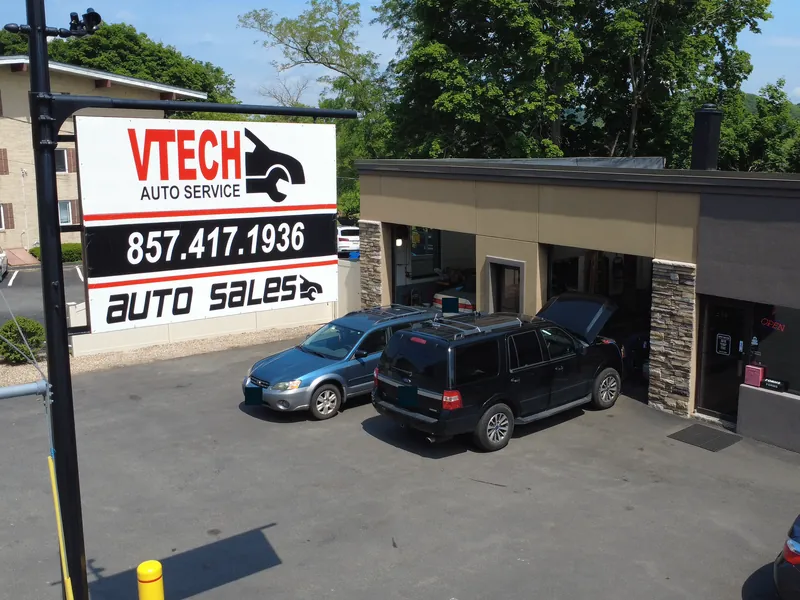
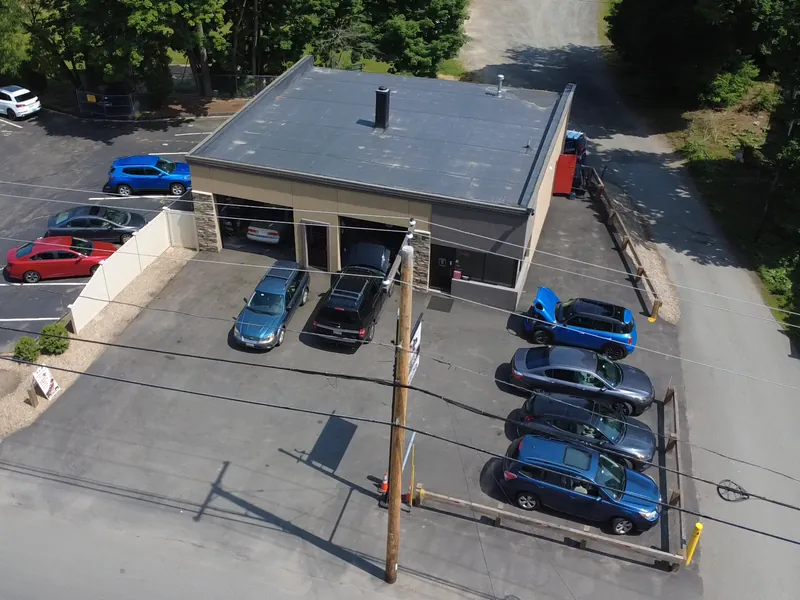
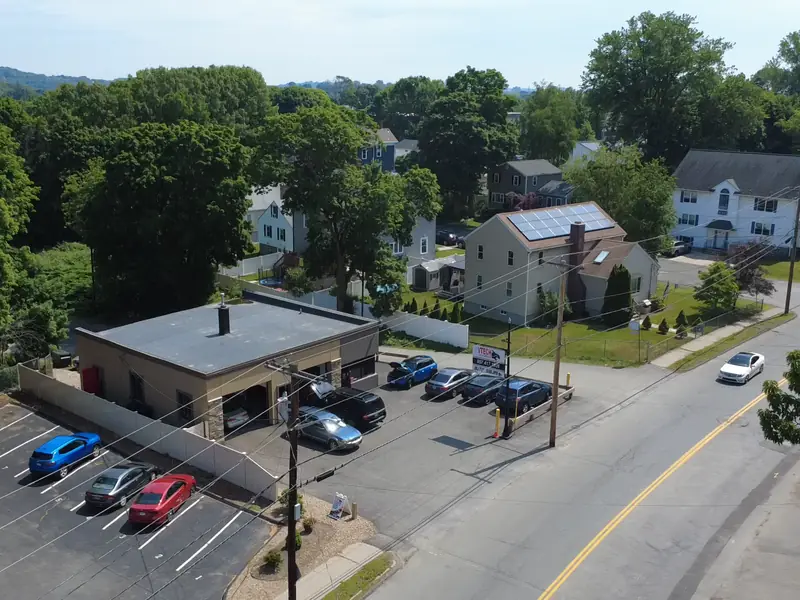
Real photos of our shop in Saugus, taken by drone.
Tell us what you're hearing or feeling, and we'll set a time to take a look.
Closed right now? Send us a message, and call us Monday–Friday, 8 AM–5 PM.